Use a few familiar groups
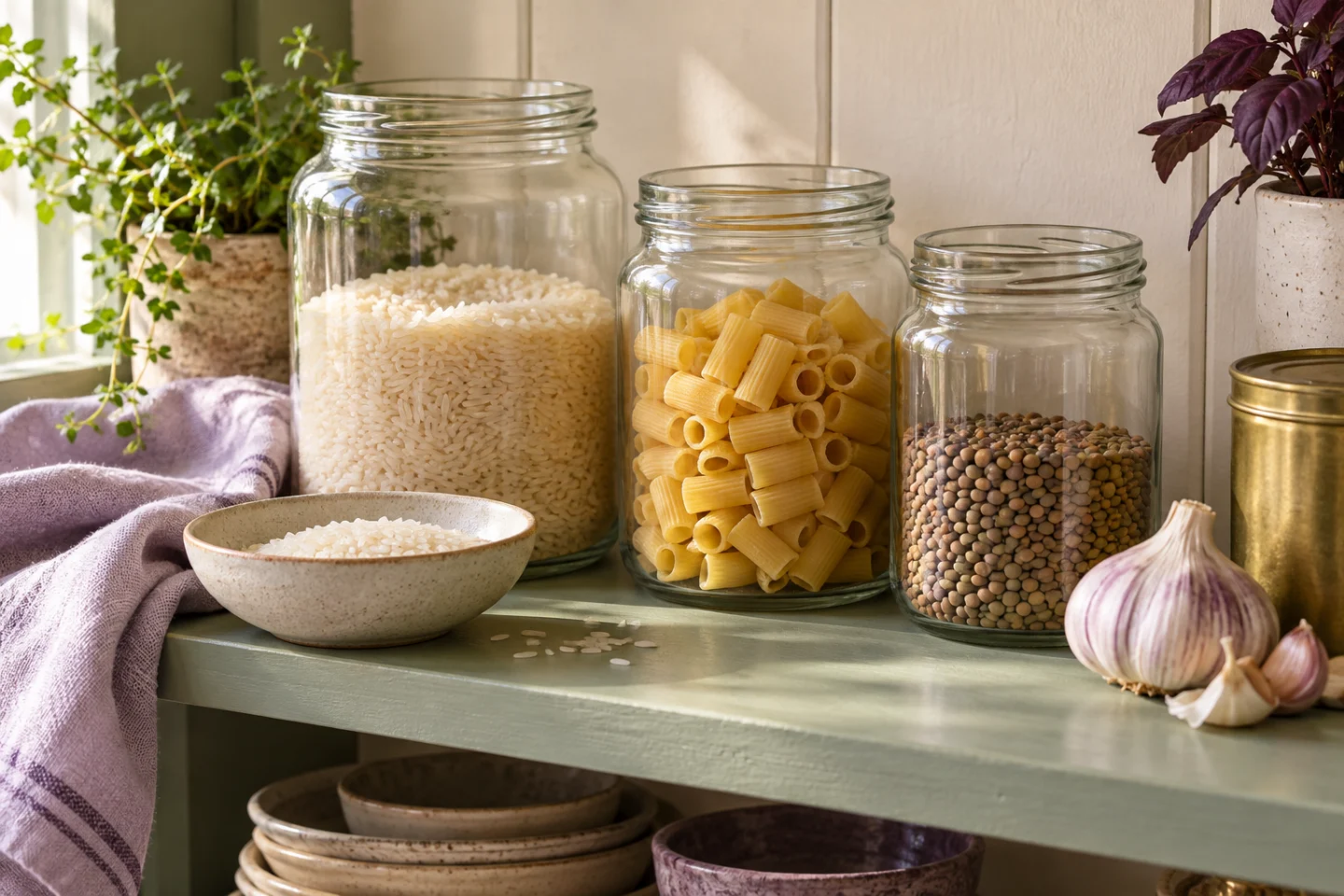
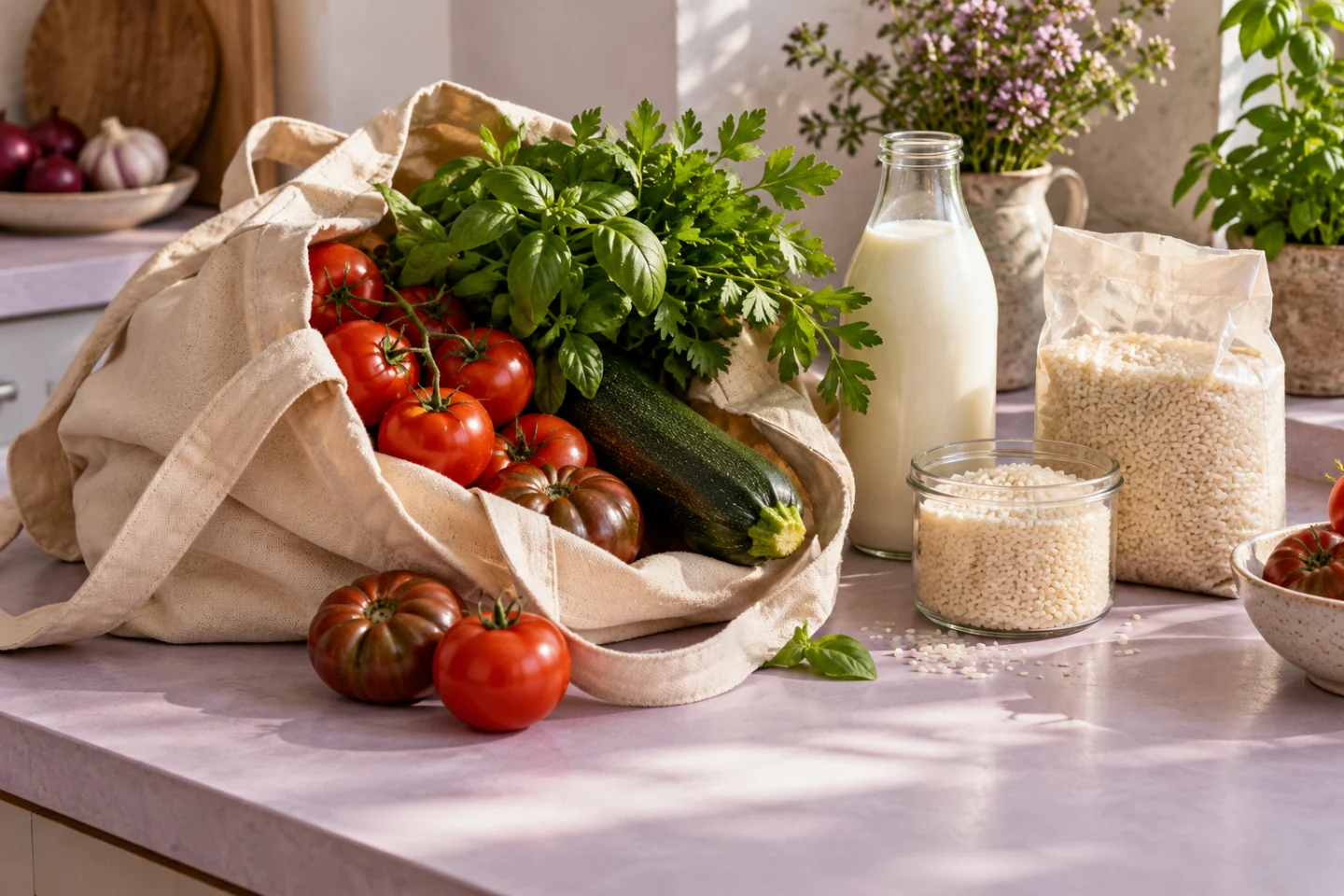
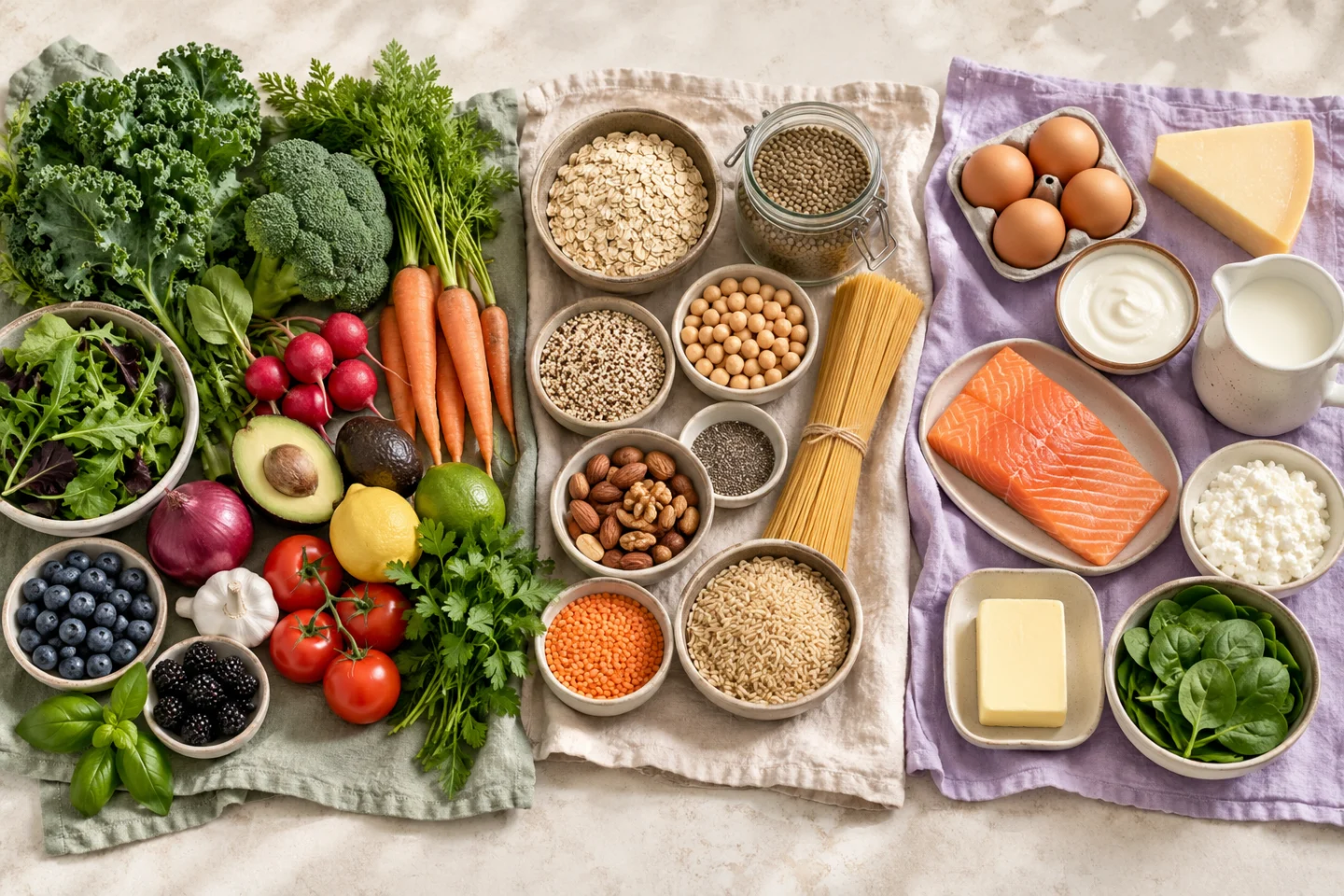
Start with produce, bread, tins and dry goods, chilled, frozen and household extras. Adjust the sequence to your store rather than forcing every shop into the same map.
A small list needs only a few headings. You do not need a database of every shelf to avoid walking back for onions.
Move the whole instruction
Keep “500 g carrots” together with its quantity. Keep “two tins chickpeas, about 480 g drained required” together with its form. A heading should not strip away the information that made the list useful.
If a product could live in two places, choose one primary group and add a short location note. Do not create two independently checkable copies.
| Group | Example line |
|---|---|
| Produce | 500 g carrots |
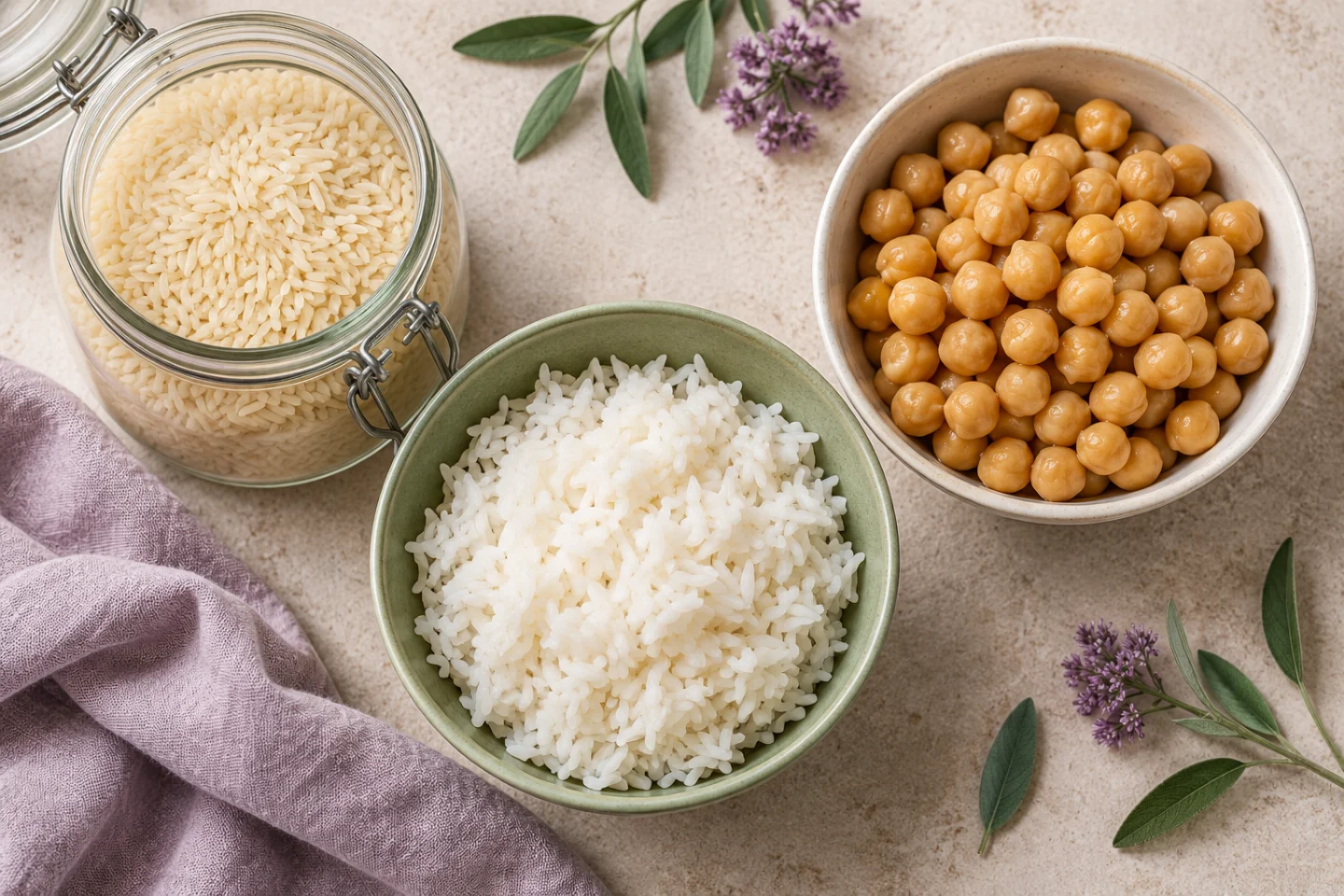
| Tins and dry goods | Two tins chickpeas; about 480 g drained required |
| Chilled | 200 g plain yogurt |
| Household extras | One bottle washing-up liquid |
Make the final pass count
Mark items when they go into the basket, then check the remaining lines before paying. If two people split the trip, assign groups before separating.
For chilled or frozen shopping, follow the product’s transport and storage guidance; walking order should not delay getting it home appropriately.
After a shop layout changes, update only the groups that caused a detour. The list is there to help you shop, not to become another thing that needs weekly administration.
Reviewed by WeekPlated editorial. Our editorial approach