Weigh what you can use
Trim away the parts you will not use, then weigh the remaining cabbage. Half a head is not a consistent quantity across different cabbages.
For this worked example, assume you have 600 g of usable cabbage. Replace that starting number with your own; the amounts below are planning allocations, not complete recipes or serving guarantees.
Divide by the job
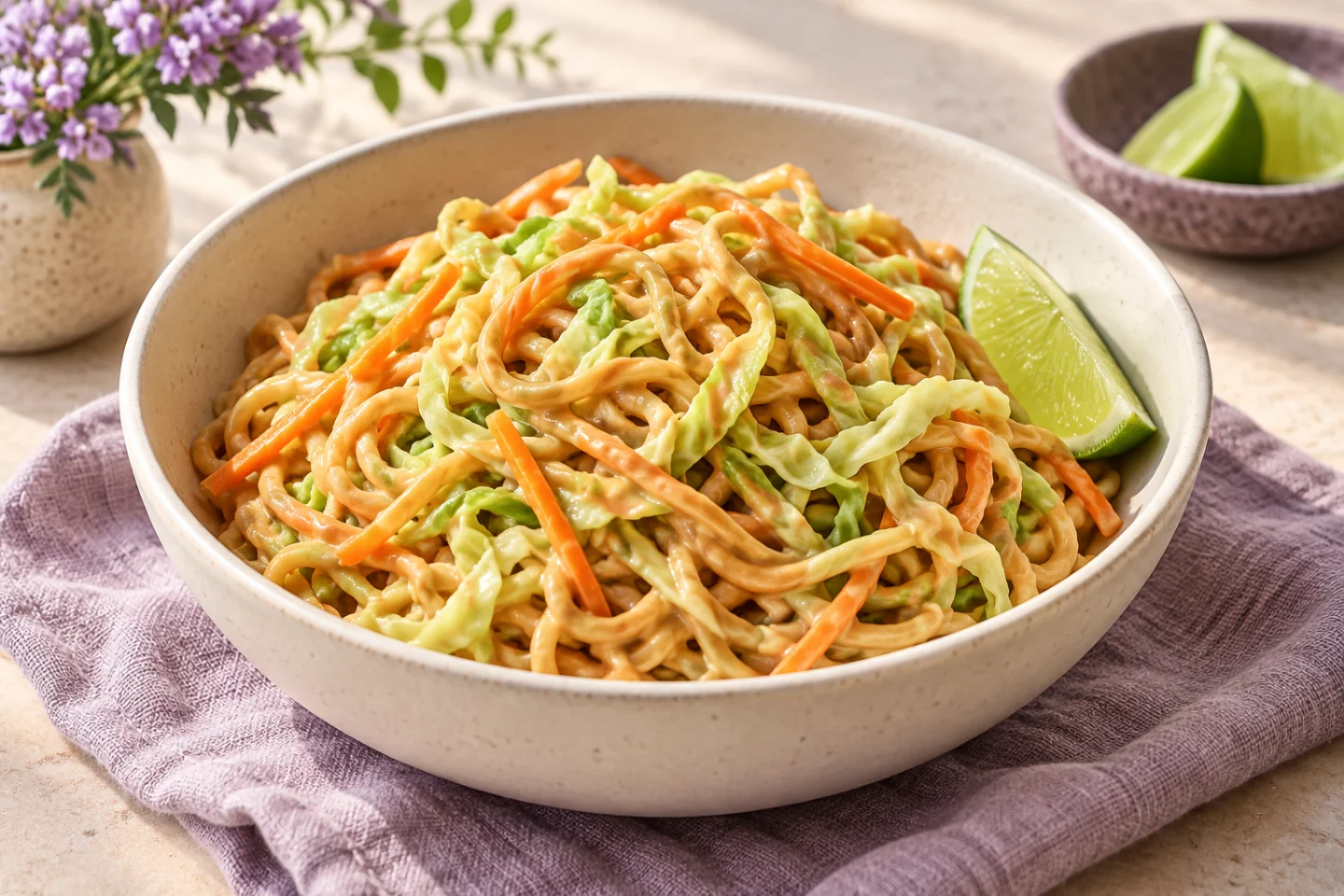
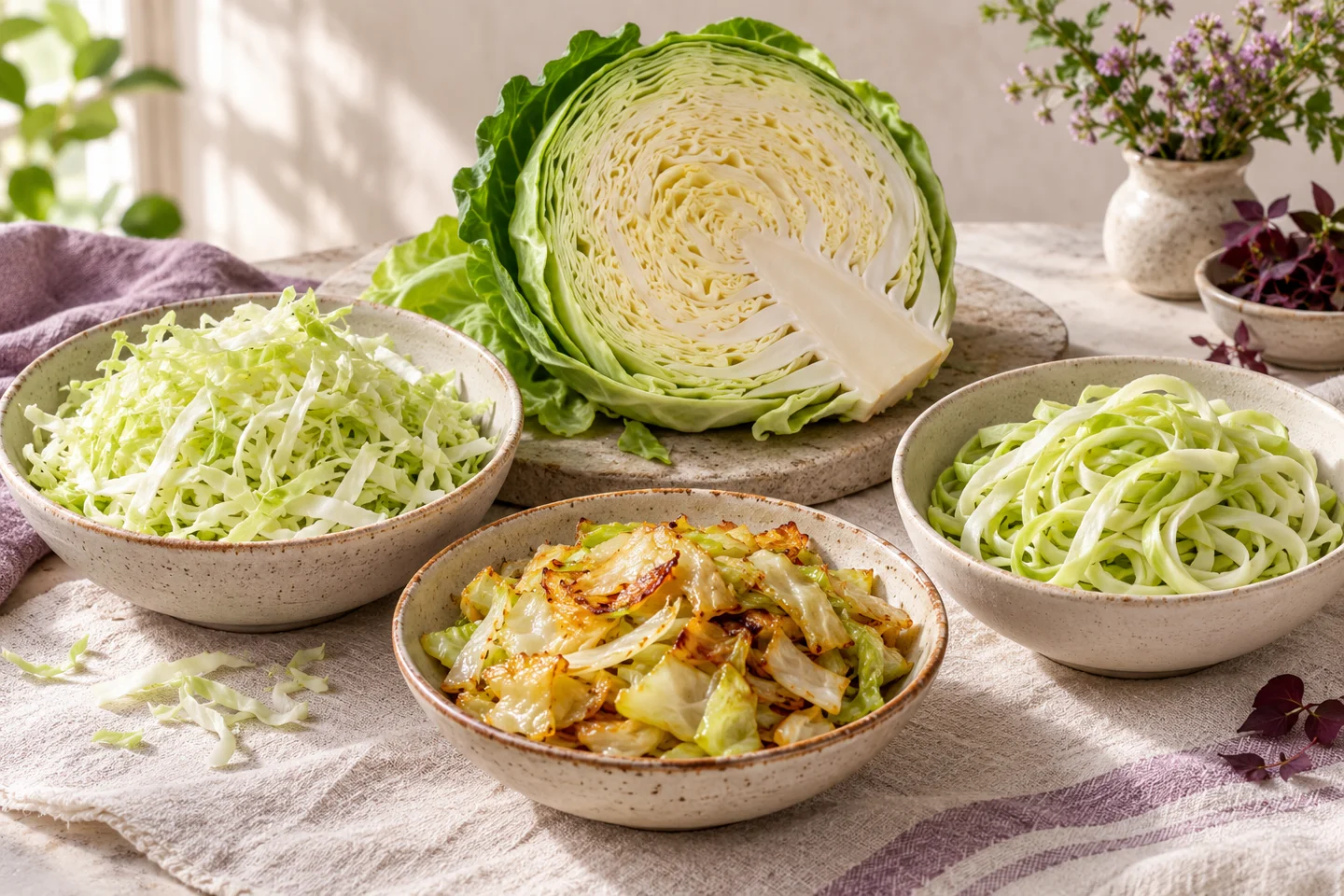
Allocate 150 g to a finely shredded crunchy side, 250 g to a skillet recipe and 200 g to noodles. Those amounts total 600 g, so nothing is quietly promised to two different dinners.
Choose recipes that use the same cabbage variety and check their actual quantities. A large leaf intended for stuffing does a different job from a thinly sliced handful.
| Destination | Example allocation |
|---|---|
| Crunchy side | 150 g |
| Warm skillet | 250 g |
| Noodle dinner | 200 g |
| Total | 600 g |
Let the recipes finish the plan
Add the other ingredients and cooking instructions from the chosen recipes before shopping. “Cabbage noodles” is a direction, not a complete dinner method.
Schedule its use according to the cabbage’s condition and appropriate storage guidance, not an assumed shelf life from this example. If the plans change, update the remaining amount.
Use this allocation approach with other ingredients too, but keep the arithmetic tied to usable quantity. The core trick is three destinations for one purchase, with a different texture each time.
Reviewed by WeekPlated editorial. Our editorial approach