Look for the hidden second pan
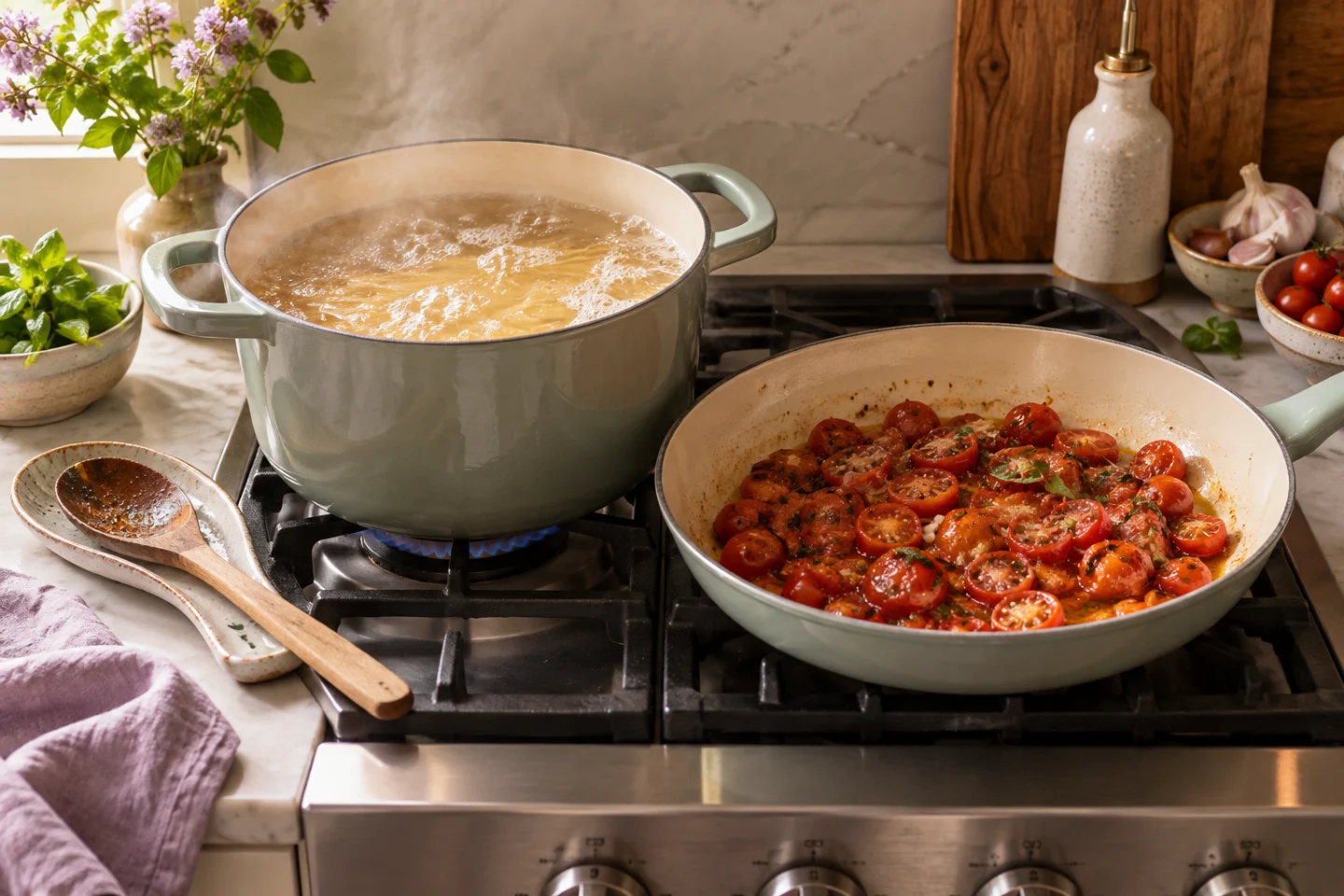
Read every step before shopping. Count the pans that need heat at the same time, including sauces, grains and anything described as a side dish.
An electric kettle or microwave only helps if you actually have one and the recipe allows that method. Do not build the plan around imaginary appliances.
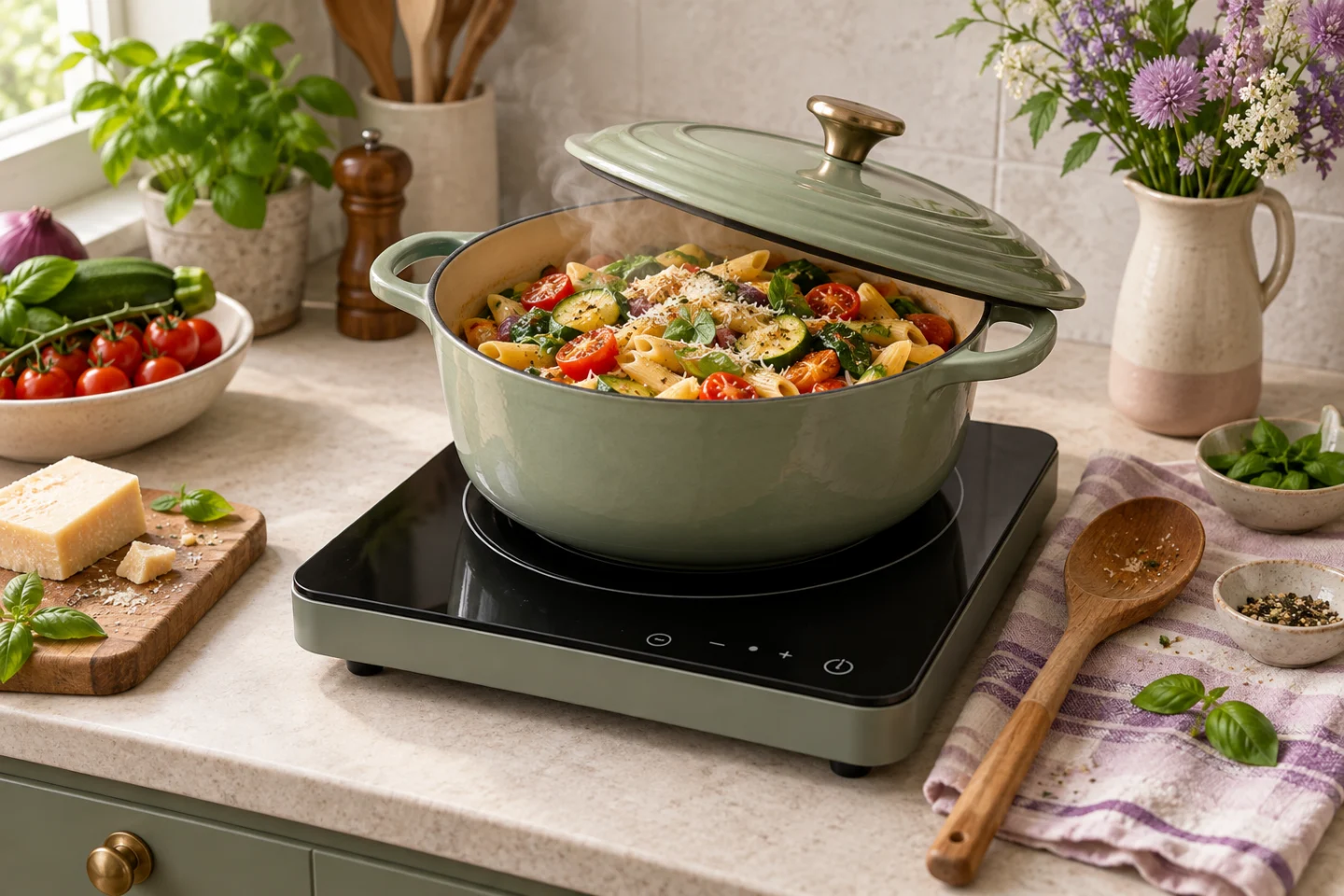
Choose a method that finishes together
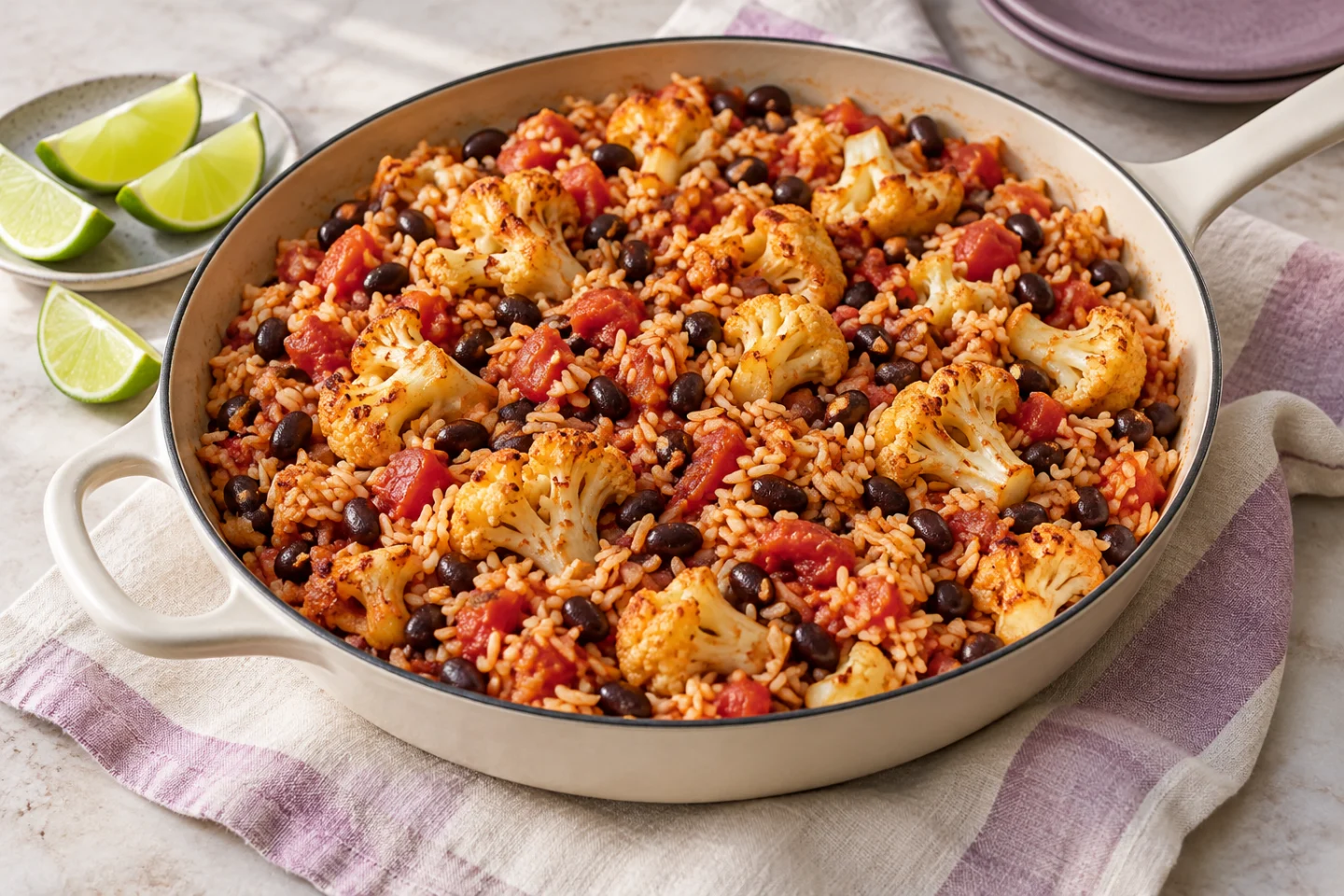
A lidded rice skillet with vegetables and beans can use one burner because the recipe accounts for the rice’s liquid and cooking time. Follow a measured one-pot method rather than pouring a separate rice recipe into a sauce.
Soup with bread is another simple structure: one heated dish, one accompaniment that does not need the hob. If you want toasted bread, that becomes a separate equipment decision.
Sequence the preparation too
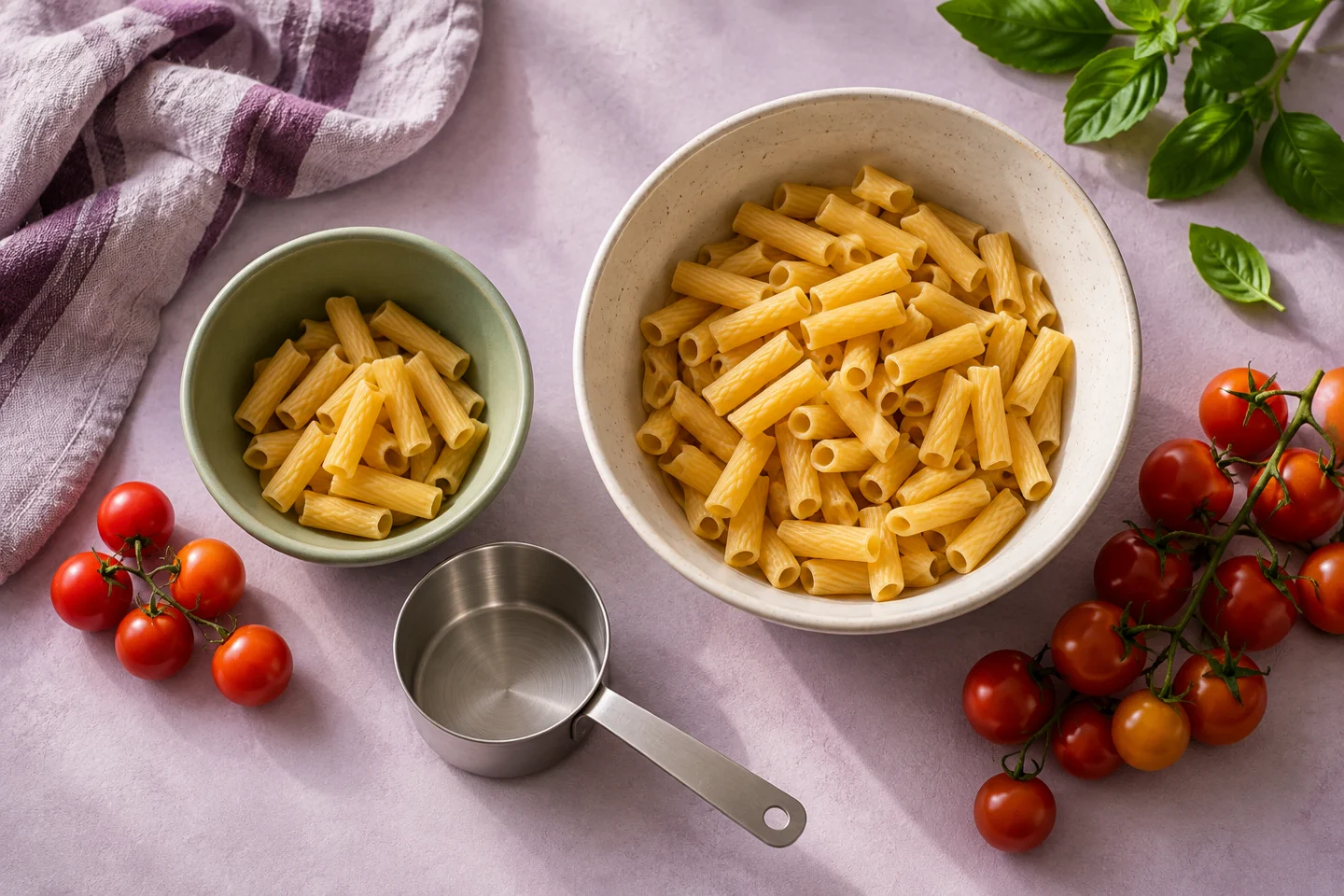
Chop the vegetables, measure the liquid and open any tins before the hot stage begins. This is especially useful if your single burner lives beside a very small work surface.
Set a trivet somewhere stable so you have a safe place for the pan when cooking finishes. Keep handles away from the edge.
For your first attempt, allow extra time and choose a familiar recipe. The goal is a workable dinner with the equipment available, not proving that a three-pan meal can be bullied into one.
Reviewed by WeekPlated editorial. Our editorial approach